
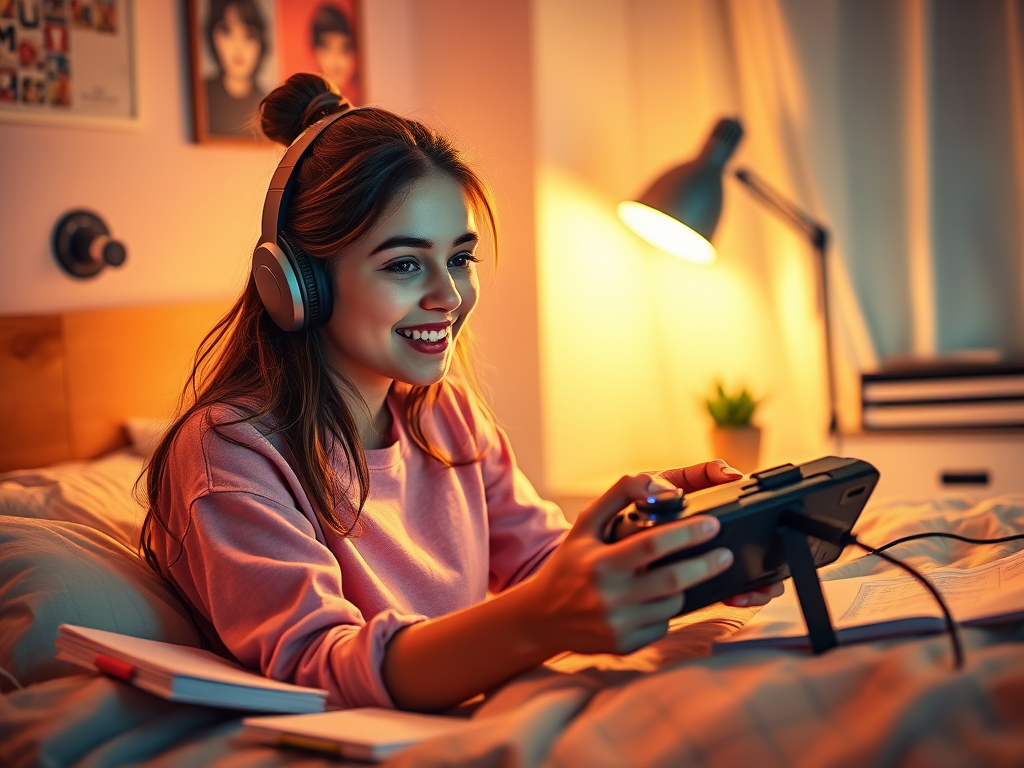
After a long day of searching and reviewing games, a new gamer finally finds one that looks exciting. After school, she rushes home, sets her homework aside, presses “Start,” and enters a brand-new gaming world. Time disappears.
Suddenly, her dad knocks on the door and says, “Did you finish your homework?”
Oh, no. It’s almost midnight. Five hours have flown by, and her homework is still untouched on the bed.
This happens more often than people realize—especially when beginners discover a game they truly enjoy. The truth is simple: gaming is fun, immersive, and powerful. That’s why learning how to manage time early matters. Like any hobby, gaming works best when it fits naturally into your life.
My Endless Gaming Sessions
When I played my first online game as a brand-new gamer, EverQuest, I lost track of time constantly. At first, I told myself it was fine—I only played on weekends. But slowly, gaming crept into the workweek. I wanted better gear, more progress, and more victories.
Before I knew it, gaming stopped feeling like a hobby and started feeling like a checklist of tasks I had to complete. That’s when something felt off.
Over time, I realized gaming wasn’t the problem—balance was. On busy days, short sessions felt perfect. On relaxed evenings or weekends, longer sessions felt immersive and rewarding. Once I stopped treating gaming like an obligation and started treating it like a hobby again, the guilt disappeared.
Game Time for New Players
For beginners, healthy playtime isn’t about strict rules—it’s about awareness.
Before playing, ask yourself:
- Why do I want to play right now?
- Am I relaxing, exploring, or just passing time?
After playing, check in with yourself.
Here’s a simple guideline to start with:
- 20–30 minutes
Great for first-time players learning controls and mechanics - 45–60 minutes
Ideal for relaxed sessions and story-driven games - Longer sessions
Totally fine on weekends or free days—as long as you still feel good afterward
Ask yourself after playing:
- Do I feel relaxed or energized?
- Am I still enjoying this?
- Is gaming fitting into my day, not taking over it?
If the answers are mostly yes, you’re doing it right.
Critical beginner tip:
Take short breaks. Stand up, stretch, drink water, and rest your eyes. Even a 5-minute break helps keep gaming enjoyable and prevents burnout.
Example: One of My Gaming Schedules
On workdays, I usually play single-player games. They let me focus, pause anytime, and stop when needed. On free weekends, I play online or multiplayer games, which take more time and preparation.
My schedule isn’t rigid. Some Fridays, I only play for an hour. Other days, I don’t play at all—and that’s okay.
I recommend creating your own flexible routine:
- Keep a small library of games for different moods
- Use single-player games for short sessions
- Save multiplayer games for days when you have more time
Gaming as a hobby should add enjoyment, curiosity, and comfort—not stress, guilt, or pressure.
Start Your Gaming Schedule Today!
Start with a 20–30-minute gaming session today and notice how it feels. If you’re having fun and still feel balanced, you can always play a bit longer next time. Your gaming hobby grows best when you listen to yourself.
Once you’ve found your favorite games, visit our Setup Zone category to begin planning a gaming gear setup that supports your play style and schedule.
Leave a Reply