
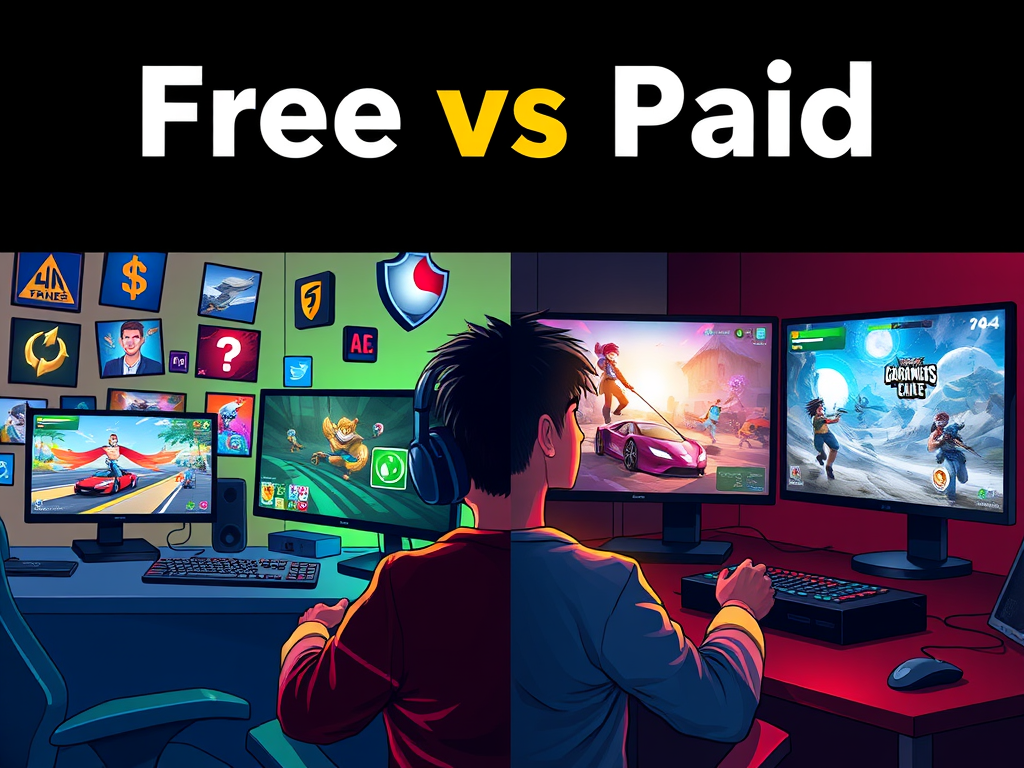
Xbox announces three video games you’re excited to try: Oblivion Remastered, Starfield, and Minecraft. You shop online, buy all three, and rush home to play. But after a few sessions, only one truly clicks. The others feel boring or not what you expected.
Now comes the disappointment—you realize you could have tried most of them for free through demos or trial versions before spending money.
Learning how to sample games before buying saves money, time, and frustration. The good news is that both free and paid games have an important place in a healthy gaming hobby, especially when you’re just starting out.
Test Before you Buy Gamer
When I first explored gaming, I relied heavily on reviews and YouTube videos before buying games. The problem? Watching someone else play is not the same as playing the game yourself. You don’t feel the controls, pacing, or difficulty.
Reading reviews alone was even worse. Screenshots and opinions don’t always match personal taste. Over time, I discovered that some low-rated games were far more fun for me than highly praised AAA titles.
That’s when I became a “test before you buy” gamer. I learned that many modern games offer free demos, trials, or limited versions—and those are the safest way for beginners to decide. Playing the game yourself is the only real way to know if it fits your style.
Free Demo Critical Factors
One of my best recent demo experiences was with Trails in the Sky: First Chapter. I had previously played the original version for over 20 hours but stopped because the older pixel visuals didn’t click with me. Later, I discovered the game had been remastered.
The first thing I checked? A free demo. After playing the demo for about an hour, I focused on three critical factors:
- Hardware requirements – Could my PC run it smoothly?
- Graphics – Did the remaster meaningfully improve visuals?
- Performance – Was the game stable and responsive?
The demo answered all my questions. Even better, the progress carried over to the paid version. I ended up buying the game—and I enjoyed it far more knowing exactly what I was getting.
How Beginners Should Think About Free vs Paid Games
Free Games (Great for Exploration)
Free games and demos are ideal when you’re curious but cautious.
- Zero financial risk
- Great for testing genres and mechanics
- Easy to quit without regret
- Perfect for learning what you enjoy
Some free games are short, while others offer deep experiences.
Paid Games (Great for Focus and Quality)
Paid games usually provide:
- Complete stories
- Fewer interruptions
- Better pacing and polish
- Clear progression
When you pay for a game, it’s often designed to respect your time rather than push ads or constant purchases.
A Balanced Approach
Most beginners benefit from a mix:
- Use free games and demos to explore
- Buy one paid game once you know what you enjoy
There’s no rush. Gaming as a hobby grows best through curiosity—not pressure.
Simple rule:
- Free games help you explore
- Paid games help you settle in
Free Demo Checklist
Before buying a game, ask:
- Does the game have a demo or trial?
- Can my device meet the hardware requirements?
- Do the graphics match my expectations?
- Is performance smooth and stable?
- Did I enjoy at least 30–60 minutes of gameplay?
If the answer is mostly yes, the game is worth considering.
Start a Free Demo Today!
Start with one free game or demo today and play for 30–50 minutes. If it feels fun, keep going. If not, try another. Use the Free Demo Checklist before buying anything.
Your gaming hobby doesn’t start with spending money—it starts with enjoying your time. Once you’ve found a game you love, explore our Setup Zone to learn how to set up gaming gear that fits your platform and play style.
Leave a Reply