
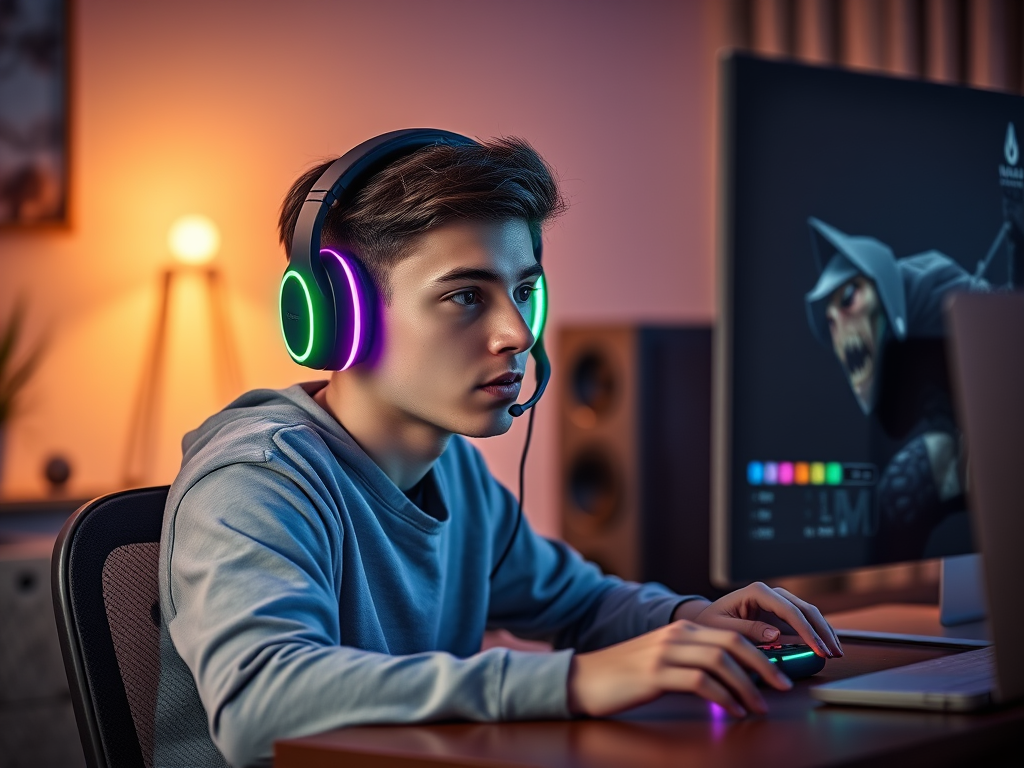
A new gamer is wearing four-year-old, non-gaming headphones while playing their favorite game. The big boss battle begins, music swelling, tension rising—and suddenly… silence. The headphones die at the worst possible moment.
A great gaming moment ruined, simply because the right gear wasn’t there. As a new gamer, you don’t need advanced equipment—but you do need a comfortable, reliable headset that supports your new hobby. Let’s make choosing one simple.
Gaming Headphones Explained
When I first started gaming, I used old stereo headphones and small earbuds that kept slipping out of my ears. The problem with non-gaming headphones is that they aren’t designed for gaming features or long play sessions. Eventually, I decided to try a real gaming headset to see what the fuss was about.
That’s when things got confusing. Surround sound? Noise cancellation? Detachable mics? I had no idea which features mattered—or how much I should spend. After trying a few, I learned something important: beginners only need a handful of key features to enjoy games. Once I understood that, choosing a headset became easy.
Every time I upgraded my gaming setup, I picked gear based on my comfort level, the games I played, and what made my sessions more enjoyable. Your journey should feel the same—simple, comfortable, and focused on enhancing your gaming experience.
New-Gamer Headset Must-Have Features
Over time, I learned to pick gaming gear based on my games, my mood, and how I wanted to feel while playing. Stores often push expensive headsets with fancy features that beginners will never use. The truth is, some of the best starter headsets are affordable.
Here’s what beginners should really look for:
Budget: Most beginner gaming headsets cost around $50–$80. Advanced models range from $100–$200+, but you don’t need those yet.
Mood: Choose a style that matches how you want to feel while gaming. If your mood is cozy or relaxed, avoid loud designs, military patterns, or overly aggressive styles.
Brands to Consider:
- Logitech
- Corsair
- SteelSeries
- HyperX
- Razer
- Turtle Beach (solid beginner-friendly option)
Wired vs. Wireless:
Wireless is convenient but requires more maintenance—charging, updates, and sometimes higher costs. Wired headsets are cheaper, reliable, and never run out of battery.
Comfort:
Comfort is more important than advanced audio features. Look for durable ear cushions and lightweight frames. Common cushion types include:
- Memory foam with leatherette — soft and noise-blocking
- Memory foam with velour — breathable for long sessions
- Gel-infused cushions — stay cool longer
- Faux leather — durable and affordable
- Genuine leather — premium and long-lasting (less common in budget headsets)
Microphone Quality:
If you mostly play single-player games, simple mics are fine. For online play, look for:
- Clear voice pickup
- Noise reduction
- Directional (cardioid) microphones
- Boom or detachable mics
- Quick mute buttons
- Mic monitoring (sidetone)
- Low latency for wireless options
Sound Quality:
You don’t need studio-quality audio. Focus on clean, clear game sound.
Easy Controls:
Volume wheels, mute buttons, and accessible controls make gaming easier. Check if they’re on the headset or on the cable.
Compatibility:
Make sure the headset works with your devices—phone, console, laptop, or desktop. Many headsets come with multiple connection types like USB, 3.5mm, or Bluetooth.
Start simple. Upgrade later as your hobby grows.
Customize your Headset Now
Choose one beginner-friendly headset today—something comfortable, compatible, and within your budget. Your gaming hobby becomes even more enjoyable when you can clearly hear footsteps, music, and story moments.
Now that you’ve mastered the basics, you’re ready to learn what gamers know. Continue your journey in our Next-level Gaming category and keep leveling up!
Leave a Reply