
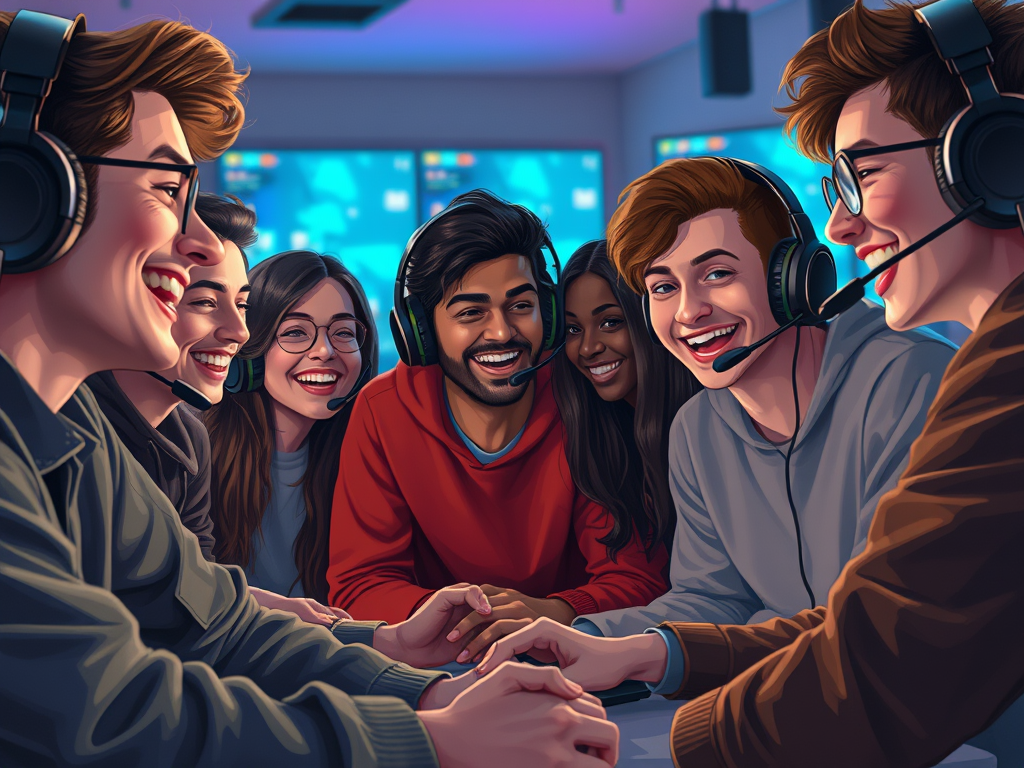
Your friend calls and invites you to join a dungeon party with other players. At first, you feel like a total stranger among gamers you’ve never met. Suddenly, someone asks where you got that high-level sword. The chat comes alive with jokes, tips, and stories.
Soon, everyone knows your play style, favorite weapon build, and sense of humor. Strangers at first—friends before you log off.
From Solo to Team Gaming
When I first started gaming online, I played solo—completing quests, gathering loot, and moving on. But I eventually realized that the best gear required teamwork. At first, joining a group seemed like a waste of time. Then one day, I gave it a shot and joined a dungeon group near my level in World of Warcraft.
What began as quiet coordination quickly turned into laughter and storytelling. As we pushed through difficult quests, everyone relaxed. We picked up rare loot, leveled faster, and celebrated every victory together.
Soon, I looked forward to teaming up for more than just dungeons.
Seasonal events like Valentine’s Day, Halloween, and Christmas added even more reasons to play together. They encouraged communication, teamwork, and even leadership. Over time, I saw how these bonds could last.
Some players shared stories of meeting through World of Warcraft and later marrying in real life. These friendships don’t grow from small talk—they’re built through shared experiences, teamwork, and countless “Let’s go again!” moments.
Gaming Headphones with a Microphone
Many gamers, especially in fast-action games, use gaming headphones to communicate with other players. When playing online games like Call of Duty, teammates join voice chat to strategize and react quickly.
But something unexpected happens in those conversations — small talk turns into laughter, teamwork becomes trust, and teammates start feeling like real friends. You might throw some jokes, cheer each other on after a win, or talk about life while waiting in a lobby.
Over time, those “random players” become familiar, and you don’t feel like a stranger anymore. Getting to know other players is one key advantage, but there are more benefits to gaming that you don’t know.
Matchmaking Systems
In many online multiplayer games, there are matchmaking systems that place you in a team. These systems allow gamers to play the game fairly and act as a social tool as well. By grouping players of similar skill levels, matchmaking systems not only improve the experience but also form real relationships.
For instance, a player who regularly teams up with others in games like “Overwatch” or “League of Legends” may share rare strategies. Sometimes new friendships are formed out of playing together every day. These interactions can lead to cool things like forming communities, participating in social events, and even collaborating on projects.
As a hobby, video gaming provides a unique platform for individuals to connect and learn from each other.
Friends List and Messaging Systems
In modern gaming, video games allow players to create lists of friends and ways to chat with them. Did you enjoy your adventure with that fun player? Add them to your list so you never play alone. Video games have evolved into a significant hobby for people of all ages. It provides them with opportunities not only for entertainment but also for social interaction.
Through friends lists and messaging systems, players can easily connect, collaborate, and strategize with others. For example, a child who plays a cooperative game can team up with friends from around the world to complete challenging quests.
Furthermore, engaging with friends online can help people sharpen conflict resolution skills, as they navigate gaming environments. Ultimately, video games, through their social features, serve as more than just a pastime; they become a learning center for families to explore their interests, connect with peers, and develop essential life skills.
Shared Gaming Experiences
Online games connect through cooperation. Working toward a shared goal brings players together naturally. When the team struggles, everyone shares strategies, give advice, and cheers each other on. Challenges like puzzles or boss fights let players express creativity and leadership.
Shared victories feel Personal
Defeating a tough enemy as a team creates lasting memories and emotional trust. That ultimate victory becomes a shared story—just like a road trip or championship win in real life.
A sense of belonging to something bigger.
Most online games have thriving communities that welcome newcomers and support progress. Joining a guild or clan gives players a sense of belonging, mentorship, and shared purpose. Experienced players often guide others through challenges, strengthening the entire community.
Friendships grow beyond the screen
Many gaming friendships strengthen into real-world relationships. Players stay in touch, check in on each other, and even meet offline. You can always find someone to game with, and these bonds are built on shared joy and mutual support.
Join a Group Today
Try it for yourself. Choose an online game you enjoy and join a friendly group or guild. Focus on the mission, share a laugh, and enjoy the moment. Who knows—by the end of the session, they might ask to add you to their “Friends List.”
Want to learn more about how gaming connects people? Check out our “Exploring Gaming” blog category.
Leave a Reply